In the world of construction and infrastructure, cement is the unsung hero that binds it all together. But behind this essential material lies an equally important component—Clinker. If you’ve ever wondered what clinker is and why it’s so critical in the cement-making process, this blog will break it down for you.
What Is Clinker?
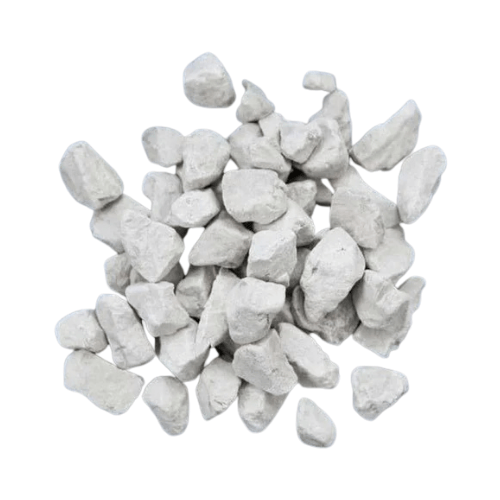
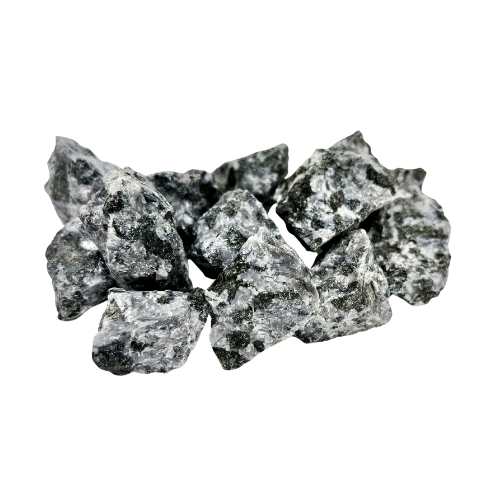
Clinker is a solid, pebble-like substance that forms as an intermediate product during the cement manufacturing process. It is produced by heating a finely ground mixture of limestone, clay, and other raw materials in a rotary kiln at extremely high temperatures (about 1450°C or 2640°F).
Once heated, the materials undergo chemical transformations and form clinker nodules—hard grayish balls about the size of marbles. These nodules are then cooled and ground with a small amount of gypsum to create the fine powder we know as Portland cement.
How Is Clinker Made?
The clinker production process involves several stages:
- Raw Material Preparation: Limestone, clay, sand, and iron ore are crushed and blended.
- Heating in the Kiln: The raw mix is heated in a kiln where it goes through chemical reactions, mainly calcination and sintering.
- Formation of Clinker: At peak temperatures, the raw materials fuse together into clinker.
- Cooling: The hot clinker is rapidly cooled to preserve its structure.
- Grinding: The clinker is ground with gypsum to regulate the cement’s setting time.
Uses of Clinker in Cement Manufacturing
The primary use of clinker is in the production of cement. Here’s how it plays a role:
- Cement Production: Clinker is the essential ingredient in Portland cement, the most commonly used type of cement in construction.
- Blended Cements: Clinker is also used in combination with other materials like fly ash, slag, or limestone to produce blended cements, offering improved properties and sustainability.
- Export Material: In many countries, clinker is produced in large quantities and exported to regions where cement production facilities are limited.
Benefits of Clinker in Cement Manufacturing
- Strength and Durability
Clinker is the component that gives cement its binding strength. It contributes to the long-lasting durability of concrete structures.
- Efficiency in Transport and Storage
Compared to cement, clinker is less moisture-sensitive and more stable, making it easier to transport over long distances without degradation.
- Versatility
Clinker can be finely ground and combined with various additives, making it adaptable for different types of cements like white cement, sulfate-resistant cement, and more.
- Energy Optimization
Modern clinker production methods focus on energy efficiency, which helps reduce carbon emissions and environmental impact in cement manufacturing.
- Economic Advantage
Countries with abundant limestone and raw materials can produce clinker locally, reducing dependency on imported cement and boosting local economies.
Environmental Considerations
While clinker is essential, it’s also energy-intensive to produce. Cement plants are increasingly investing in alternative fuels, low-carbon processes, and clinker substitution to reduce the environmental impact of cement production.
Final Thoughts
Clinker is at the heart of modern cement manufacturing. Without it, the strong, durable, and versatile cement we rely on every day wouldn’t exist. From highways to high-rises, clinker quietly supports the world’s infrastructure—and understanding its role helps us appreciate the complexity behind even the simplest concrete slab.
Whether you’re in construction, materials science, or just curious about how things are made, knowing about clinker is a great first step into the fascinating world of cement.